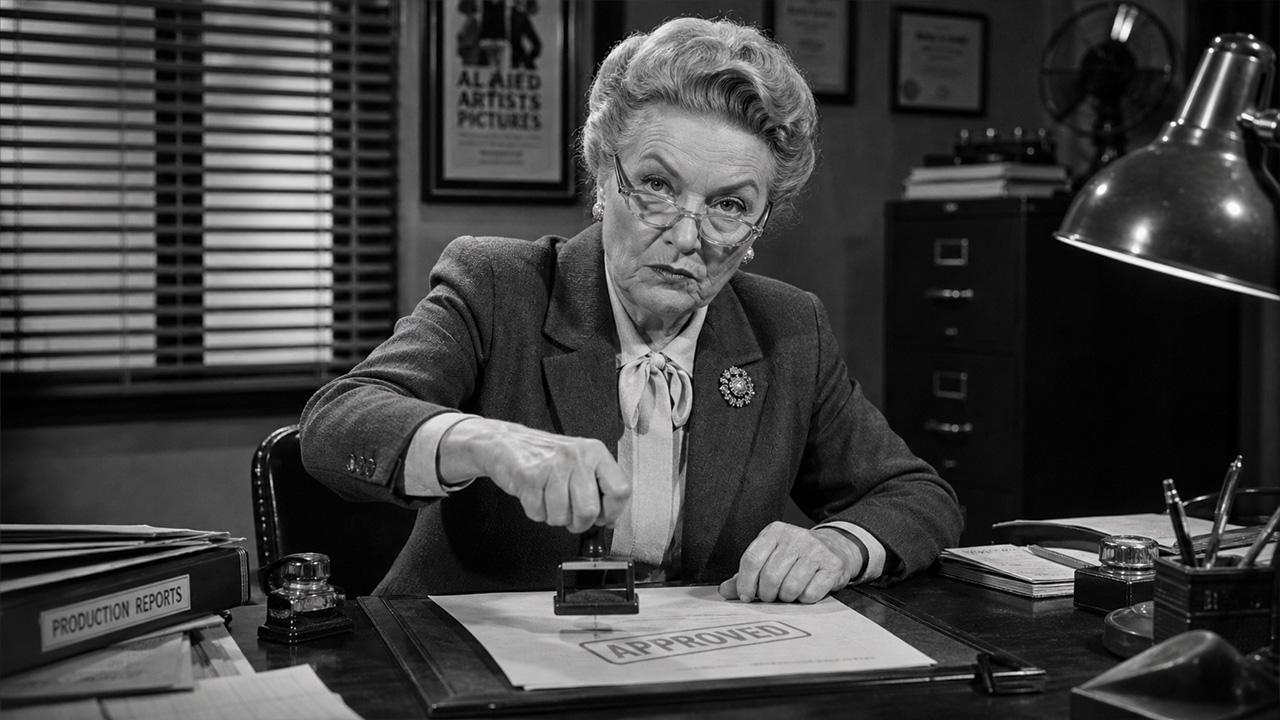
Why Approvals Are Non-Negotiable
Every approval in a production project has a specific purpose. Script approval confirms the message before we film it. Rough Cut approval confirms the structure before we refine it. Fine Cut approval confirms the content before we finish it. Final Cut approval releases the project for delivery.
Each of these approvals protects you from paying for work to be undone. They also protect the integrity of the creative direction — because changes that come in after a stage is locked require real reconstruction, not minor adjustments.
Approval Stages
- Script or outline approval — confirm the message, structure, and talking points before production
- Shot list and schedule approval — confirm the filming plan, locations, and subject lineup
- Rough Cut approval — confirm the story structure, interview selections, and overall direction
- Fine Cut approval — confirm refined pacing, graphics, music, and messaging
- Final Cut approval — release the project for final export and delivery
How to Give a Good Approval
- Watch or read the deliverable in full before responding — not in pieces
- Consolidate all feedback from internal stakeholders before submitting — one round, not five
- Be specific: note the timestamp and the exact change requested
- Distinguish between must-fix issues and preference notes
- Respond within the agreed feedback window — delays cascade into your own delivery date
- When you are satisfied, say so in writing — a clear approval moves the project forward
A messaging change that costs twenty minutes to fix in a script costs hours to fix in a Rough Cut and can cost a full day's work if it surfaces after the Fine Cut. Early feedback is cheap. Late feedback is expensive. Review each stage as it arrives — not right before the next one is due.